

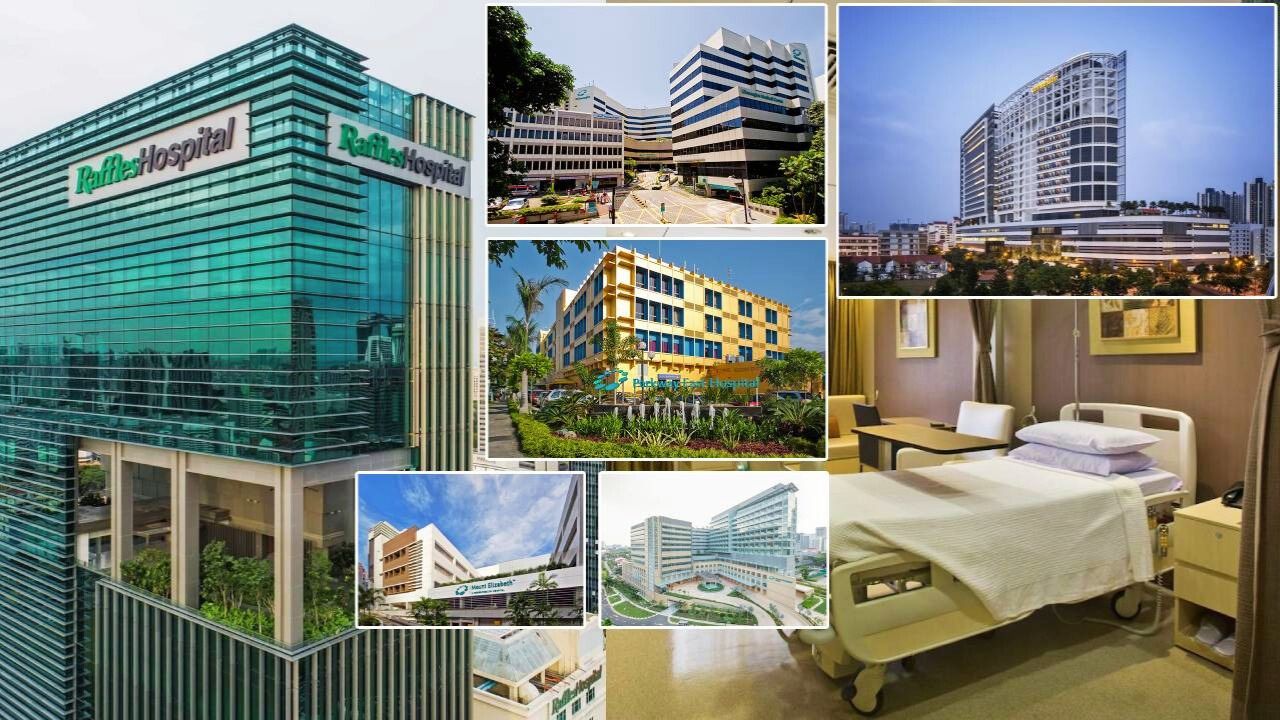
Singapore has earned global recognition as one of the safest, cleanest, and most efficient countries in the world and its healthcare system is no exception. With ultra-modern infrastructure, highly qualified doctors, and advanced technology, the island nation has become a preferred destination for patients from all over the world.
If you’re searching for the best hospital in Singapore, this guide will help you explore the country’s leading medical institutions, their specialties, facilities, and what makes them stand out globally.
Why Singapore’s Hospitals Are Among the Best in the World
1. World-Class Medical Infrastructure
Singapore’s hospitals are equipped with advanced diagnostic tools, robotic surgery systems, and digital patient-care systems. The country invests heavily in healthcare innovation and research, ensuring access to the latest medical advancements.
2. Highly Qualified Specialists
Doctors and surgeons in Singapore are internationally trained, often holding degrees and experience from leading medical universities in the UK, USA, and Europe. This global exposure ensures high-quality medical expertise across various specialties.
3. Strong Focus on Patient Safety
Singapore’s Ministry of Health maintains strict quality control and accreditation standards. Most hospitals follow Joint Commission International (JCI) guidelines, ensuring consistent, transparent, and safe healthcare delivery.
4. Medical Tourism Hub
Over half a million international patients visit Singapore every year for treatment. Hospitals here provide dedicated “International Patient Centres” that assist with travel arrangements, language interpretation, and insurance coordination.
Top 5 Best Hospitals in Singapore
Below are the top hospitals in Singapore known for their excellence in healthcare, research, and patient care.
1. Singapore General Hospital (SGH)
Location: Outram Road, Singapore
Established: 1821
Overview:
Singapore General Hospital is the country’s oldest and largest tertiary care hospital. It is also the national referral centre for complex cases and consistently ranks among the world’s top ten hospitals.
Key Specialties:
- Cardiology & Cardiothoracic Surgery
- Oncology (Cancer Treatment)
- Organ Transplants
- Neurosurgery
- Orthopaedics
Why SGH is the Best:
SGH combines top-notch facilities, extensive research programs, and a strong team of specialists. It was ranked 9th best hospital in the world by Newsweek 2023 — the only Southeast Asian hospital to reach that level.
Ideal For:
Patients seeking advanced surgery, transplants, or multi-specialty treatment in a globally recognized institution.
2. National University Hospital (NUH)
Location: Kent Ridge Road, Singapore
Established: 1985
Overview:
As Singapore’s only university hospital, NUH is closely affiliated with the National University of Singapore (NUS). It is a leader in clinical research and education, offering a broad range of specialist services.
Key Specialties:
- Liver & Kidney Transplants
- Heart & Lung Centre
- Cancer and Haematology
- Paediatric Medicine
Why Choose NUH:
NUH offers cutting-edge treatments supported by academic research. It’s especially known for its paediatric and transplant programs.
Ideal For:
Patients looking for treatment integrated with advanced medical research and training.
3. Tan Tock Seng Hospital (TTSH)
Location: Novena, Singapore
Established: 1844
Overview:
Tan Tock Seng Hospital is Singapore’s second-largest hospital, providing comprehensive acute care and specialist services. It also plays a major role in infectious disease management and trauma care.
Key Specialties:
- Geriatric Medicine
- Infectious Diseases
- Emergency & Trauma Care
- Rehabilitation Services
Why Choose TTSH:
TTSH combines public healthcare affordability with excellent facilities. It also houses the National Centre for Infectious Diseases (NCID), making it a leader in epidemic management.
Ideal For:
Patients needing general, trauma, or infection-related care with affordable, reliable service.
4. Changi General Hospital (CGH)
Location: Simei Street 3, Singapore
Established: 1998
Overview:
Changi General Hospital serves Singapore’s eastern region. It is known for its modern facilities, efficient emergency care, and community-based health programs.
Key Specialties:
- Sports Medicine & Orthopaedics
- General Surgery
- Respiratory Medicine
- Geriatric & Rehabilitation Care
Why Choose CGH:
CGH is a model of efficiency offering fast, well-coordinated care and excellent rehabilitation programs. It’s also an innovator in digital healthcare services.
Ideal For:
Residents of East Singapore or those seeking rehabilitation, sports injury, or emergency care.
5. Mount Elizabeth Hospital (Private)
Location: Orchard Road & Novena, Singapore
Established: 1979
Overview:
Mount Elizabeth is one of the best private hospitals in Asia, offering luxury facilities, premium patient services, and advanced medical technology. It attracts patients from over 80 countries.
Key Specialties:
- Cardiology & Cardiac Surgery
- Oncology
- Neurosciences
- Aesthetic & Cosmetic Surgery
Why Choose Mount Elizabeth:
The hospital provides world-class medical care with hotel-style rooms, concierge services, and minimal waiting time. Its international patient centre offers 24/7 assistance for overseas visitors.
Ideal For:
Patients who prefer private healthcare with personalized treatment and comfort.
Other Notable Hospitals in Singapore
- Gleneagles Hospital: Best known for liver, heart, and orthopaedic surgeries.
- Raffles Hospital: Renowned for women’s health, fertility treatment, and corporate health screenings.
- KK Women’s and Children’s Hospital (KKH): Specialized in maternity, gynaecology, and paediatrics.
- Farrer Park Hospital: Modern hospital offering smart technology and luxury care.
How to Choose the Best Hospital for Your Needs
Choosing the right hospital in Singapore depends on several factors:
1. Type of Treatment Required
If you need complex surgery or transplants, choose tertiary care hospitals like SGH or NUH. For general or elective treatments, private hospitals such as Mount Elizabeth or Gleneagles are excellent choices.
2. Budget and Insurance
Public hospitals offer affordable rates for citizens and residents, while private hospitals charge higher but provide faster services. Always confirm insurance compatibility before admission.
3. Specialist Availability
Research the hospital’s specialists and check their qualifications, years of experience, and success rates. Many Singaporean doctors maintain professional profiles online.
4. International Patient Services
If you’re visiting from abroad, look for hospitals that provide visa assistance, airport transfer, interpreters, and accommodation support.
5. Reputation and Accreditation
Ensure the hospital is JCI-accredited and listed among Singapore’s Ministry of Health-approved institutions.
Average Cost of Treatment in Singapore
While costs vary depending on the hospital and complexity of treatment, here’s a general idea:
| Treatment Type | Public Hospital (USD) | Private Hospital (USD) |
|---|---|---|
| General Surgery | $3,000 – $6,000 | $8,000 – $15,000 |
| Heart Bypass | $18,000 – $25,000 | $30,000 – $40,000 |
| Knee Replacement | $10,000 – $14,000 | $20,000 – $25,000 |
| Maternity Delivery | $3,000 – $5,000 | $7,000 – $12,000 |
Note: Costs are approximate and subject to change.
Conclusion: Singapore — A Global Healthcare Leader
When it comes to healthcare excellence, Singapore ranks among the best in the world. Whether you’re seeking complex surgery, preventive health check-ups, or specialized treatment, Singapore’s hospitals combine compassion, precision, and technology to deliver exceptional outcomes.
From the historic Singapore General Hospital to the luxurious Mount Elizabeth Hospital, every institution reflects the nation’s dedication to quality, innovation, and patient well-being.
So, if you’re planning treatment abroad, Singapore offers the perfect balance of world-class medical expertise, safety, and comfort — truly making it one of the best healthcare destinations in Asia.